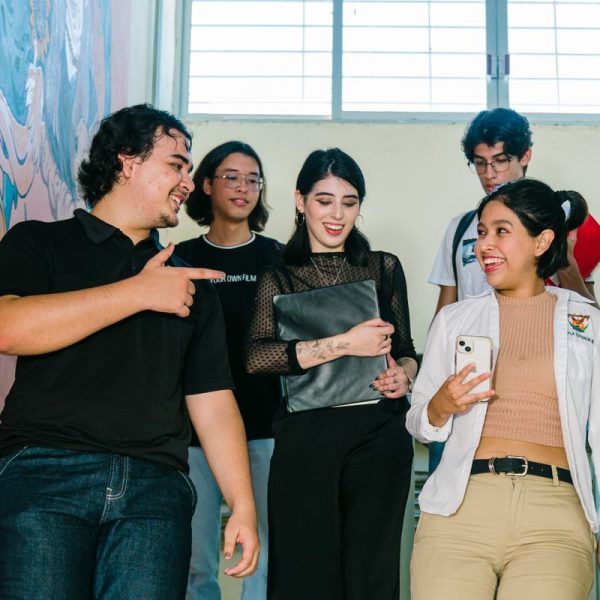
In a world where global conversations never stop, speech technologies are racing to keep pace with the rich variety of human voices, dialects, and cultural nuances. Modern translation is no longer just about converting words from one language to another; it is increasingly about capturing the way those words are actually spoken, understood, and emotionally felt in different communities. This new wave of innovation is transforming how people from distant cultures connect, collaborate, and resolve misunderstandings in real time.
1. From Generic Voices to Real Human Nuance
Early translation tools treated language as a flat, uniform code. A phrase in one language was mapped to an equivalent in another, with little regard for tone, region, or social context. Today, cutting-edge systems analyze pronunciation, intonation, and rhythm, enabling far more natural speech output. This shift lets listeners feel that they are being addressed in a way that reflects their own speech habits rather than a robotic, one-size-fits-all voice.
When people hear familiar patterns of speech, they instinctively feel more at ease. A customer support bot that reflects local speaking styles, or a training video voiceover that matches the audience’s regional sound, helps reduce psychological distance. It becomes easier to trust the message and focus on what’s being said instead of how oddly it is being delivered.
2. Respecting Sensitive Language and Cultural Boundaries
As spoken translation grows more sophisticated, it must also navigate a minefield of sensitive expressions, taboos, and context-specific meanings. Certain phrases may seem casual in one culture but deeply offensive in another. For example, translating or interpreting curse words in arabic requires not only linguistic accuracy but also careful calibration of tone and audience expectations.
This sensitivity becomes especially critical in formal and legal contexts, where accuracy and cultural awareness intersect. Immigration paperwork, sworn statements, and official interviews demand translations that preserve intent without distortion, which is why many individuals and organizations rely on USCIS certified translation services to ensure that both language and context meet strict standards. In these situations, professionals must balance precision with responsibility, adapting wording thoughtfully while remaining transparent about how meaning is conveyed.
3. Enabling More Inclusive Global Collaboration
Businesses, universities, and NGOs increasingly work with teams that span continents. When meetings, webinars, or conferences rely on generic language models that ignore regional speech, participants can struggle to follow along—especially if they speak a major language with strong local pronunciations or idioms. Modern tools that recognize and adapt to different ways of speaking allow more voices to be heard accurately and in real time.
This inclusivity goes beyond mere comprehension. When people hear translations shaped around their own communication style, they feel that their identity and background are being respected, not treated as an obstacle. It helps dissolve the sense that only a “standard” or “neutral” way of speaking is valid, shifting the focus to ideas and expertise instead of accent.
4. Preserving Local Identity While Communicating Globally
As global media expands, many communities worry about losing their distinctive ways of speaking. Standardization can flatten regional voices, pushing speakers to hide or “correct” their accents in professional or public settings. Next-generation translation tools offer a different possibility: they can bridge communication gaps while still reflecting local speech patterns and cultural references.
When a video, podcast, or live talk is translated and voiced in a way that retains local rhythm and style, it signals that regional identity is valued, not erased. This allows organizations to reach international audiences while still showcasing diverse voices, rather than filtering everything through a single dominant accent or speech style.
For content where cultural resonance matters as much as accuracy, many organizations turn to specialized transcreation services. These experts adapt messaging so it retains local rhythm and cultural authenticity rather than sounding like a literal conversion. This matters enormously for video, podcasts, and campaigns where tone carries as much weight as words. Brands that get this right communicate globally without losing local identity.
5. Improving Learning Experiences for Language Students
Language learners often start with idealized textbook pronunciations that differ drastically from what they later encounter in real conversations. Exposure to a range of authentic speech patterns helps learners move from classroom comprehension to real-world fluency. Technology that can interpret and replicate varied ways of speaking is especially valuable for listening practice, pronunciation feedback, and role-play simulations.
Accent and register are the parts of language that resist automation most stubbornly. Even so, the surrounding work of terminology, consistency and version control belongs in a computer assisted translation environment, so the human can spend their attention on nuance instead of housekeeping. The technology does not replace cultural judgement; it clears the desk for it.
Instead of training learners on one “correct” sound, teachers and platforms can present multiple models from different regions. Students become familiar with natural variation early on, reducing frustration and building confidence when they eventually speak with native speakers from diverse backgrounds. Over time, this encourages more open and flexible attitudes toward linguistic difference.
6. Reducing Bias and Stereotypes Around Speech
People frequently make snap judgments based on how someone sounds—assumptions about education, intelligence, or trustworthiness. These biases can surface in hiring decisions, customer service interactions, or even casual small talk. When translation tools normalize and support a broad spectrum of speech varieties, they implicitly challenge the idea that only certain ways of speaking are “professional” or “correct.”
By reliably processing and reproducing a wide range of pronunciations, technology sends the message that diverse voices are anticipated and accommodated. Over time, this can soften some long-standing prejudices, as users encounter many different speaking styles mediated by reliable, respectful translation instead of caricatures or misrepresentations.
7. Supporting High-Stakes Communication in Real Time
In emergency response, conflict mediation, or medical triage, speed and clarity can be a matter of life and death. Historically, misunderstandings rooted in pronunciation or regional vocabulary have hampered quick action. Systems that are trained to handle local speech—different sounds, slang, and emotional intensity—can reduce delays and ambiguities.
When responders, negotiators, or clinicians can trust that the words they hear accurately reflect what was said, they are better equipped to make decisions under pressure. At the same time, they must remain aware that emotional tones, disrespectful language, or desperate pleas can carry additional meaning beyond the literal words, and treat that nuance with care.
Conclusion
As communication technologies evolve, they are reshaping how cultures perceive and understand one another. Translation is no longer limited to swapping words between languages; it now strives to recognize and reflect the many ways people actually speak in daily life. By honoring local speech patterns, managing sensitive expressions responsibly, and promoting inclusive collaboration, modern tools are helping to reduce misunderstanding and foster more genuine cross-cultural relationships. The more precisely we can hear and transmit each other’s voices, the more room there is for clarity, empathy, and mutual respect in global dialogue.