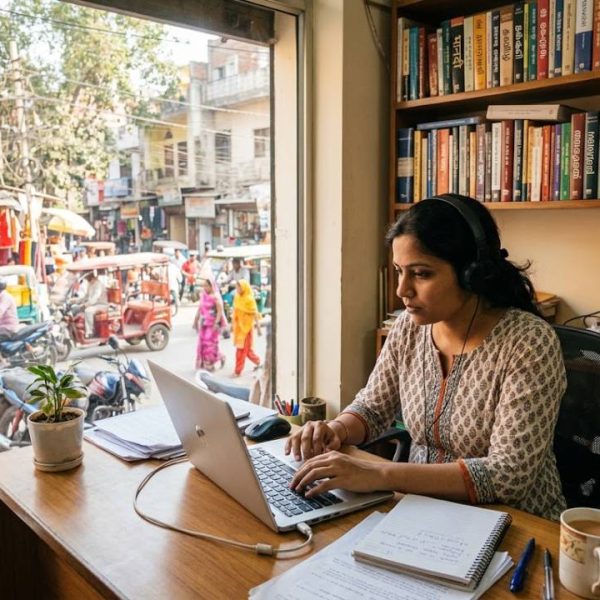
India has hundreds of languages and dozens of writing systems, and its translators are among the most versatile language professionals in the world. Businesses, universities, publishers and governments need people who can move accurately between English and languages such as Hindi, Bengali, Tamil, Telugu, Marathi, Gujarati and Urdu. Understanding how Indian language translation works helps clients get better results and helps translators build careers.
A Country of Many Languages
The Indian constitution recognizes twenty-two scheduled languages, and the number of mother tongues is much larger. Hindi and English serve as official languages at national level, while each state has its own working language. Many Indians speak two or three languages in daily life.
This multilingual reality creates constant demand for translation in education, law, business, entertainment and public services.
What Indian Translators Do
Translators convert documents, websites, books, subtitles and software between English and Indian languages. Some specialize in legal or medical texts, others in literature, technology or marketing. Many also work as interpreters at courts, hospitals and events.
The best translators combine native fluency, subject knowledge and an ear for how real people speak, because formal textbook language can sound stiff or unnatural to readers.
Scripts and Technical Challenges
India uses many scripts, including Devanagari, Bengali, Tamil, Telugu, Gujarati and the Perso-Arabic script for Urdu. Fonts, encoding, line breaks and conjunct characters require care. Documents must be checked in the final layout, not only in a text editor.
Use Unicode fonts, provide editable files and test on multiple devices to avoid broken characters.
Regional Variation and Register
Hindi in Delhi differs from Hindi in Mumbai, and formal written language differs from everyday speech. Translators choose vocabulary, level of formality and the amount of English borrowing depending on the audience.
Tell your translator who will read the text and where it will be published so they can match the tone.
Legal and Official Documents
Birth and marriage certificates, property records, court orders and educational certificates often need certified translation for use abroad or in another state. Requirements vary by authority, so confirm what is needed.
People who plan to study or migrate can read our overview of translation for visa applications to understand typical expectations for certified copies.
Business, Marketing and Localization
Companies entering the Indian market adapt websites, packaging, advertising and customer support. Direct translation of slogans can be ineffective, and transcreation, which recreates the message for a new audience, often works better.
Many brands choose to publish content in Hindi alongside regional languages. Agencies that provide english to hindi translation services can advise on choices and workflows.
Education, Publishing and Literature
Translators bring Indian literature to the world and global books to Indian readers. Textbooks, academic papers and children stories are also in demand. Publishers value translators who can capture voice and rhythm.
Collaboration between translators, editors and authors improves results.
Technology and Machine Translation
Machine translation has improved for major Indian languages, but it still struggles with context, idioms and less widely used languages. Human review is essential for important content. Translators increasingly use computer-assisted tools and glossaries.
Technology is a helper, not a replacement for judgment.
Finding and Evaluating Translators
Check qualifications, experience, samples and references. Ask which language pairs and subjects the translator handles. A paid test on a short text is a good way to compare candidates.
The Ethnologue language data for India provides background on languages and their regions, which helps clients decide which variants they need.
Rates, Timelines and Contracts
Rates depend on language pair, subject, urgency and length. Some translators charge per word, others per page or per hour. Agree on scope, deadline, revisions and confidentiality in writing.
Reasonable timelines allow time for quality review.
Building a Career as a Translator
Aspiring translators should read widely, study terminology and practice. Certifications, professional associations and mentoring support growth. Specializing in a field such as law or medicine increases earning potential.
Networking with agencies and clients builds a steady flow of work.
Common Mistakes to Avoid
Typical problems include ignoring regional differences, sending text with formatting errors and expecting machine output to be publishable. Another is not briefing the translator.
A short brief improves quality.
Final Thoughts
Indian language translation connects billions of people with information, services and stories. With skilled translators, clear briefs and attention to script and tone, projects succeed.
Choose professionals who respect both languages.
Community Interpreting and Public Services
Hospitals, courts, police stations and social services in many countries serve Indian-language speakers who need interpreters. Trained community interpreters protect patients and defendants by ensuring accurate communication in sensitive situations. Standards for confidentiality and neutrality are essential.
Communities and institutions should support training, fair pay and recognition for these professionals.
Preserving Endangered and Minority Languages
Some languages in India have small numbers of speakers and limited written materials. Translators, linguists and community groups document stories, songs and vocabulary and create learning resources. Digital tools and open archives help preserve this heritage.
Supporting such projects keeps cultural knowledge alive for future generations.
Dubbing, Subtitling and Entertainment in Indian Languages
Films, series and games are increasingly released in several Indian languages at the same time. Dubbing artists and subtitlers need strong acting skills and a feeling for local slang. Studios work with translators to adapt jokes, songs and cultural references.
Clear scripts, character notes and timing sheets help teams deliver natural results on tight schedules.
Government, Public Information and Accessibility
Public notices, forms, health campaigns and election materials must be available in the languages that citizens use. Plain language, tested wording and accessible formats improve understanding.
Translators who work for public bodies follow style guides and glossaries so that terms stay consistent across departments.
Training, Certification and Professional Associations
Universities, language institutes and professional bodies offer courses in translation and interpreting. Certification shows clients that a translator meets recognized standards. Associations provide networking, ethics guidelines and continuing education.
Aspiring translators should seek mentors, attend workshops and build a portfolio of sample projects.
Working With Translation Agencies From India
Agencies in India offer large teams, competitive prices and coverage of many language pairs. Ask about quality control, project management and data security. Start with a pilot project to test communication and turnaround.
Clear briefs, shared glossaries and regular feedback produce the best long-term results.